
Quick AnswerWhat should you look for when choosing a real estate agent?Look for an agent with experience, strong communication, honesty, local market knowledge, a clear strategy, and the willingness
Dated: September 10 2026
Views: 18
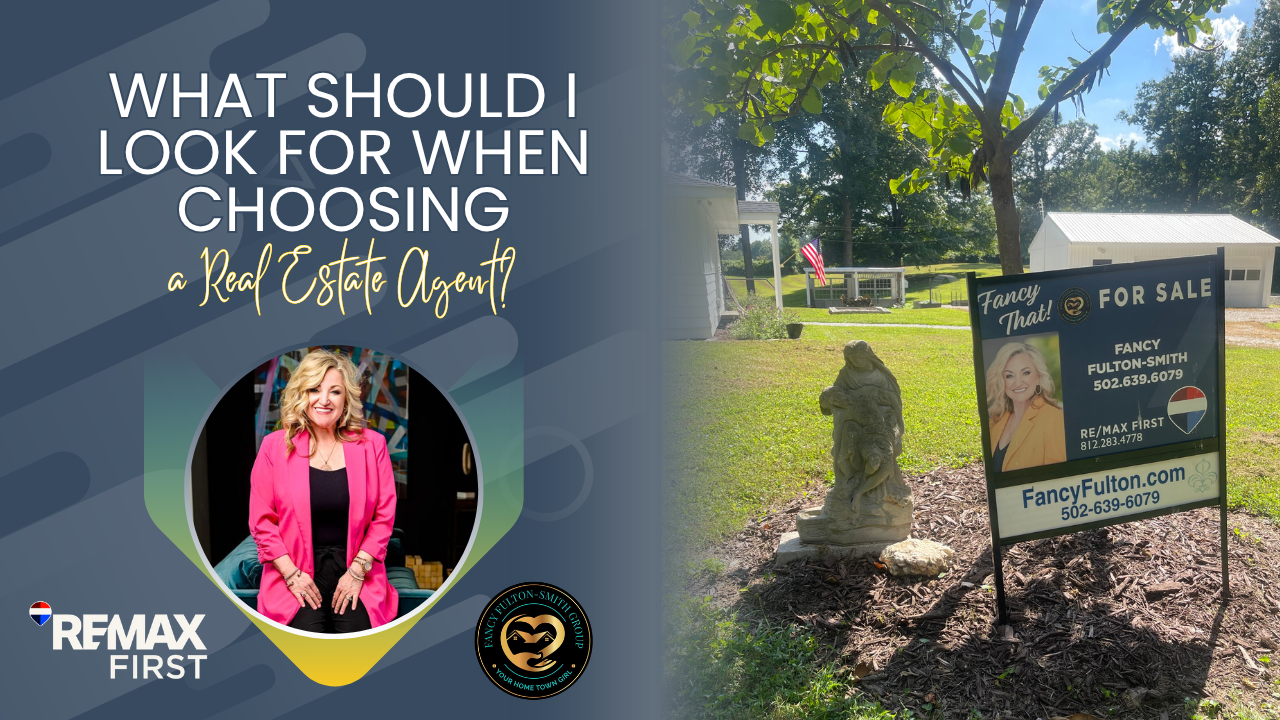
What should you look for when choosing a real estate agent?
Look for an agent with experience, strong communication, honesty, local market knowledge, a clear strategy, and the willingness to protect your interests even when that means telling you something you may not want to hear.
Don't choose an agent simply because they suggest the highest listing price, charge the lowest commission, have the biggest social media following, or happen to be someone you know.
The right Realtor should be able to explain how they will represent you, communicate with you, solve problems, negotiate for you, and guide you when a transaction doesn't go according to plan.
After 29 years in real estate, I can tell you this: almost anyone can look good when a transaction is easy.
It's what happens when things get complicated that tells you who your Realtor really is.
For me, the top three are:
Experience. Communication. Honesty.
But maybe not for the reasons you think.
Experience isn't simply knowing how to fill out a contract.
It's knowing what to do when that contract starts falling apart.
It's recognizing a potential problem before it becomes a crisis. It's knowing when to push, when to negotiate, when to slow things down and when something doesn't feel right and deserves another look.
Twenty-nine years ago, I thought my job was to help people buy and sell houses.
Today, I understand that my job is much bigger than that.
I've helped people make real estate decisions during marriages, divorces, new babies, deaths, financial struggles, job changes, retirement, estates, downsizing and entirely new chapters of their lives.
Real estate is about houses. Being a Realtor is about people.
That took me years to fully understand.
Because you should never have to chase your Realtor around wondering what's happening with one of the largest financial transactions of your life.
You should know what's happening.
You should know what's coming next.
And you should know what we're waiting on.
Because sometimes the truth isn't what you hoped to hear.
Your home may not be worth what you thought.
The offer you initially disliked may deserve serious consideration.
The house you've fallen in love with may have problems you shouldn't ignore.
A Realtor's job isn't to agree with you.
It's to protect you.
One of my biggest red flags is an agent who promises you everything before they've even done their homework.
"I'll get you this price."
"Your house will sell immediately."
"There won't be any problems."
Those promises may sound wonderful during a listing appointment, but real estate doesn't work that way.
No Realtor can guarantee exactly what a buyer will pay or that a transaction will be problem-free.
Another major red flag?
Poor communication.
Think about it.
If an agent is difficult to reach while they're trying to earn your business, what will communication look like once they already have it?
I've stepped into situations where homeowners came to me after having a disappointing experience with another agent. Sometimes they weren't kept informed. Sometimes expectations weren't properly explained. Sometimes the property was incorrectly priced and sat on the market.
By the time they reach me, they're frustrated.
Sometimes my first job isn't selling their house.
It's rebuilding their confidence that somebody is actually paying attention.
Yes, but I want to make an important distinction.
Years alone don't make someone a great Realtor.
It's what they've learned during those years that matters.
There are talented newer agents who work hard, study their market and surround themselves with experienced mentors.
And simply having a real estate license for decades doesn't automatically make someone exceptional.
What you want to know is:
What has this agent's experience taught them?
Have they navigated difficult inspections?
Low appraisals?
Financing problems?
Complicated estates?
Challenging negotiations?
Deals that nearly fell apart?
You learn a tremendous amount from successful closings.
But I'll tell you something after 29 years:
The easy transactions don't teach you nearly as much as the hard ones do.
It's huge.
Real estate isn't just local by state or even by county.
Sometimes it changes within a few streets.
Southern Indiana isn't one big real estate market.
Jeffersonville doesn't always behave like New Albany. Sellersburg isn't Georgetown. Floyds Knobs isn't Clarksville.
Two homes that look similar online can have very different market values because of their location, lot, condition, school district, neighborhood demand or something unique to the property.
Local knowledge also means relationships.
Over the years, I've built relationships with local lenders, inspectors, contractors, title companies and other real estate professionals.
Those relationships become incredibly important when something unexpected happens.
Sometimes protecting a client isn't about knowing something you can Google.
It's knowing who to call, what questions to ask and what isn't normal for that particular situation.
Here's one question I wish more sellers would stop asking:
"What price can you get me?"
Instead, ask:
"What's your plan to get me there?"
That's a much better question.
A strong listing agent should have a strategy for:
✔ Pricing
✔ Preparation
✔ Photography
✔ Marketing
✔ Online exposure
✔ Showings
✔ Communication
✔ Negotiation
And those pieces should work together.
I don't believe in putting a sign in the yard, uploading some pictures to the MLS and hoping for the best.
Before one of my listings goes live, I'm thinking about how the property will present, what buyers will notice, how we're positioned against competing homes and what challenges we may need to overcome.
Pricing is also a strategy.
The agent suggesting the highest listing price isn't necessarily the agent who will ultimately put the most money in your pocket.
My goal isn't to win the listing appointment.
My goal is to get my seller successfully to the closing table with the best possible outcome.
Those are two very different things.
Please don't choose somebody whose greatest skill is unlocking the front door. 😂
You can find houses online.
Your Realtor's value begins with everything that happens around finding the house.
A good buyer's agent should help you:
✔ Understand the local market
✔ Evaluate the property
✔ Structure a competitive offer
✔ Understand the contract
✔ Recognize potential concerns
✔ Negotiate terms
✔ Navigate inspections
✔ Work through appraisal and financing
✔ Protect you through closing
I'm also paying attention to you while we're touring homes.
What do you keep gravitating toward?
What are you repeatedly compromising on?
Are you excited because this really is the right house?
Or are you excited because you're exhausted from looking and just want to be done?
There are times when my job is to look at my buyer and say:
"I don't think this is the one."
I don't need to sell you a house.
I want to help you buy the right house.
A lot.
You shouldn't need a real estate license to understand what's happening in your own transaction.
When I hand someone a contract filled with real estate language, I don't expect them to magically understand it.
It's my job to explain it.
My clients should understand what they're signing, what happens next, what deadlines matter and where we are in the process.
And communication also means having uncomfortable conversations.
I'll celebrate with you.
I'll fight for you.
And yes, somewhere along the way, there's probably going to be a hug because that's just going to happen. 😂
But I'm also going to tell you when I think your house is overpriced.
I'll tell you when an offer deserves serious consideration.
I'll tell you when emotion is starting to influence a financial decision.
And I'll tell you when something concerns me.
Being your Realtor doesn't mean agreeing with you all the time. It means caring enough about your outcome to tell you the truth.
Some of the transactions I'm proudest of aren't necessarily the ones with the biggest sales price.
They're the ones where someone needed more than a Realtor.
I've helped families sell homes during loss, difficult family circumstances, financial hardship and major life transitions.
I've worked with seniors who weren't simply selling real estate.
They were leaving homes filled with decades of memories.
Every closet held something.
Every room had a story.
And while we're talking about inspections, contracts and closing dates, they're also trying to answer a much bigger question:
"What happens next?"
Those experiences have shaped how I approach real estate and are a huge reason senior transitions have become so important to me.
Sometimes success isn't measured only by the sales price.
Sometimes success is getting somebody from overwhelmed to okay.
I can handle the real estate part, but I also understand that the person standing in front of me may be carrying a hundred other things that have absolutely nothing to do with a contract.
They shouldn't have to figure all of that out alone.
Maybe.
But don't hire them just because they're your friend or family member.
Ask them the same questions you'd ask anyone else.
How much experience do they have?
How well do they know your market?
What's their communication style?
What's their marketing strategy?
What happens when something goes wrong?
Can they have an uncomfortable conversation with you when necessary?
Your relationship with someone can absolutely be a reason to trust them.
It shouldn't be the only qualification.
No.
This is one of the biggest mistakes I see sellers make.
It's tempting.
Three agents tell you your home is worth around $400,000 and one tells you $450,000.
Of course $450,000 sounds better!
But ask that agent to show you why.
What comparable sales support that number?
What's the pricing strategy?
What happens if buyers don't respond?
How does your home compare with the current competition?
A big promise doesn't put more money in your pocket.
A good strategy might.
Don't be afraid to interview agents.
I'd ask:
That last question may tell you more than you expect.
You don't need someone who will tell you yes all the time.
You need someone who's willing to tell you why.
After 29 years in real estate, trust has become the thing that matters most to me.
Buying or selling a home is a huge financial decision, but it's also incredibly personal.
The Realtor you choose will sometimes be standing beside you during one of the happiest times of your life.
Other times, they may be standing beside you during one of the hardest.
Choose someone you trust to protect your interests in both.
The right Realtor shouldn't just help you buy or sell a house. They should protect you, prepare you, tell you the truth and make sure you never feel like you're going through it alone.
And by closing, there's a pretty good chance we're friends.
That's just how I do real estate. ❤️
Interview us.
Seriously.
Whether you're buying or selling, talk to more than one agent if you need to. Ask questions. Pay attention to how they communicate. Ask them to explain their strategy.
You should feel confident about the person representing you.
And if you're considering buying or selling in Southern Indiana, I'd be happy to sit down and answer those questions for you too.
📞 Call or text: (502) 639-6079
📩 Email: fancy@fancysellshomes.com
🌐 FancySellsHomes.com
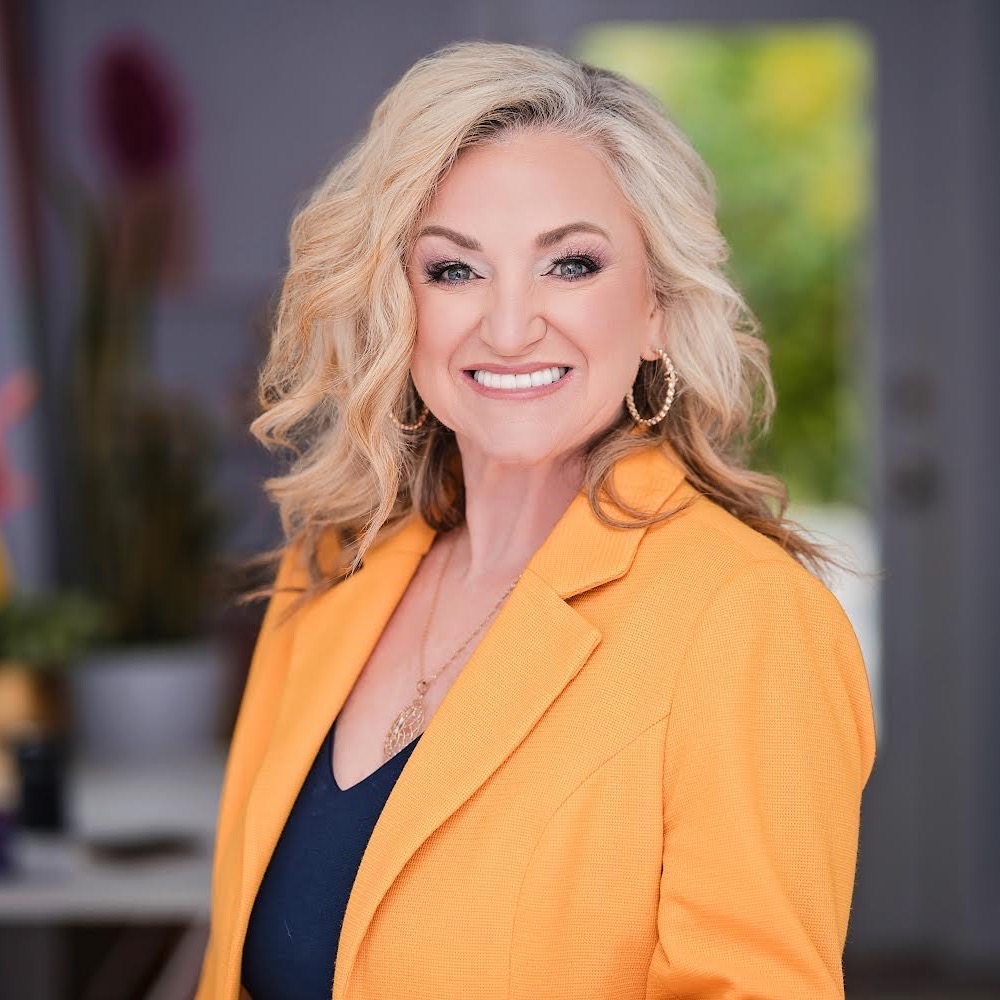
Fancy is a Southern Indiana girl with a Southern heart ❤️. With 29 years of full-time real estate experience, she brings more than market knowledge to every transaction. She brings heart, hustle, ....
Quick AnswerWhat should you look for when choosing a real estate agent?Look for an agent with experience, strong communication, honesty, local market knowledge, a clear strategy, and the willingness
Quick AnswerIs Southern Indiana a good place to live?Yes! Southern Indiana offers affordable housing, a lower cost of living than many nearby areas, strong communities, convenient access to
Quick AnswerHow do you choose the best neighborhood in Southern Indiana?The best neighborhood isn't the one everyone else loves, it's the one that fits your lifestyle, budget, commute, and future
Quick AnswerWhat does the Southern Indiana housing market look like for the rest of 2026?While no one can predict the future with certainty, the Southern Indiana real estate market remains healthy.
 The data relating to real estate for sale on this web site comes in part from the Internet Data Exchange Program. Real estate listings held by IDX Brokerage firms other than REMAX First are marked with the Internet Data Exchange logo or the Internet Data Exchange thumbnail logo and detailed information about them includes the name of the listing IDX Brokers. This information is provided exclusively for personal, non-commercial use and may not be used for any purpose other than to identify prospective
properties consumers may be interested in purchasing.
The Broker providing these data believes them to be correct, but advises interested parties to confirm them before relying on them in a purchase decision. Information deemed reliable but is not guaranteed.
Show More...
The data relating to real estate for sale on this web site comes in part from the Internet Data Exchange Program. Real estate listings held by IDX Brokerage firms other than REMAX First are marked with the Internet Data Exchange logo or the Internet Data Exchange thumbnail logo and detailed information about them includes the name of the listing IDX Brokers. This information is provided exclusively for personal, non-commercial use and may not be used for any purpose other than to identify prospective
properties consumers may be interested in purchasing.
The Broker providing these data believes them to be correct, but advises interested parties to confirm them before relying on them in a purchase decision. Information deemed reliable but is not guaranteed.
Show More...
